Zero-Level Protest, the Student Movement and the Spectacle of Politics

I agree with Joe.

The fall-out from Wednesday’s fees protest has congealed into some familiar oppositions. On the one side, we have disavowal. The violent minority, undermining the broad case against cuts, inarticulate in their regression to a juvenile acting-out. On the other side, affirmation. The real vandals are Clegg and Cameron, the insurgents were the epiphenomenal expression of legitimate mass anger, and broken glass is the not-that-unfortunate substratum of all great political movements.

These are not morally equivalent narratives. The case for the disavowers is built on a palpable desire to appeal to bureaucratic reasonableness, and to present the case in terms sympathetic to the cadences and tones of power, as if the problem was one of flawed communication. More ‘rational debate’ please! More damagingly, the internal disciplining necessary to any movement conceived of as a Party is already under way. Bad protester, good protester. Wayward foot-soldier, clear-sighted leader. There was a serious message, and the hijackers lost it.

This is nonsense. That the march was larger than expected would have made news, barely. But the aerial shots of Westminster, and the collections of amusing signs and fancy dress, would have concurred fully with the established parameters, the well-worn rituals, of polite English disagreement. There would have been patronising cod-support about how polite the young are these days and Mock-The-Week non-jokes about the difference between Parisian insurrectionists and London shufflers. In such symbolic space, and especially on The Right, the trope of the feckless student is impermeable to disproof. This is the mistake of those scrambling for respectability. No amount of denouncing The Crazed Vandals Of Millbank will make the cause of education palatable (although those heading up the NUS will ascend, like those before them, into the lower ranks of party politics).

Slavoj Žižek put the appropriate response nicely:

“You could have delivered the same message without violence”. Fuck them, of course you can deliver the message. But nobody would hear the message. This is what they like, that 100 people gather and write a message and then you don’t even get the bottom note [in the day’s paper]…You have to break some windows to get the message through.

This is true enough, but should already alert us to some dangers, and to the necessity of overcoming the choice between affirmation and disavowal. Continue reading
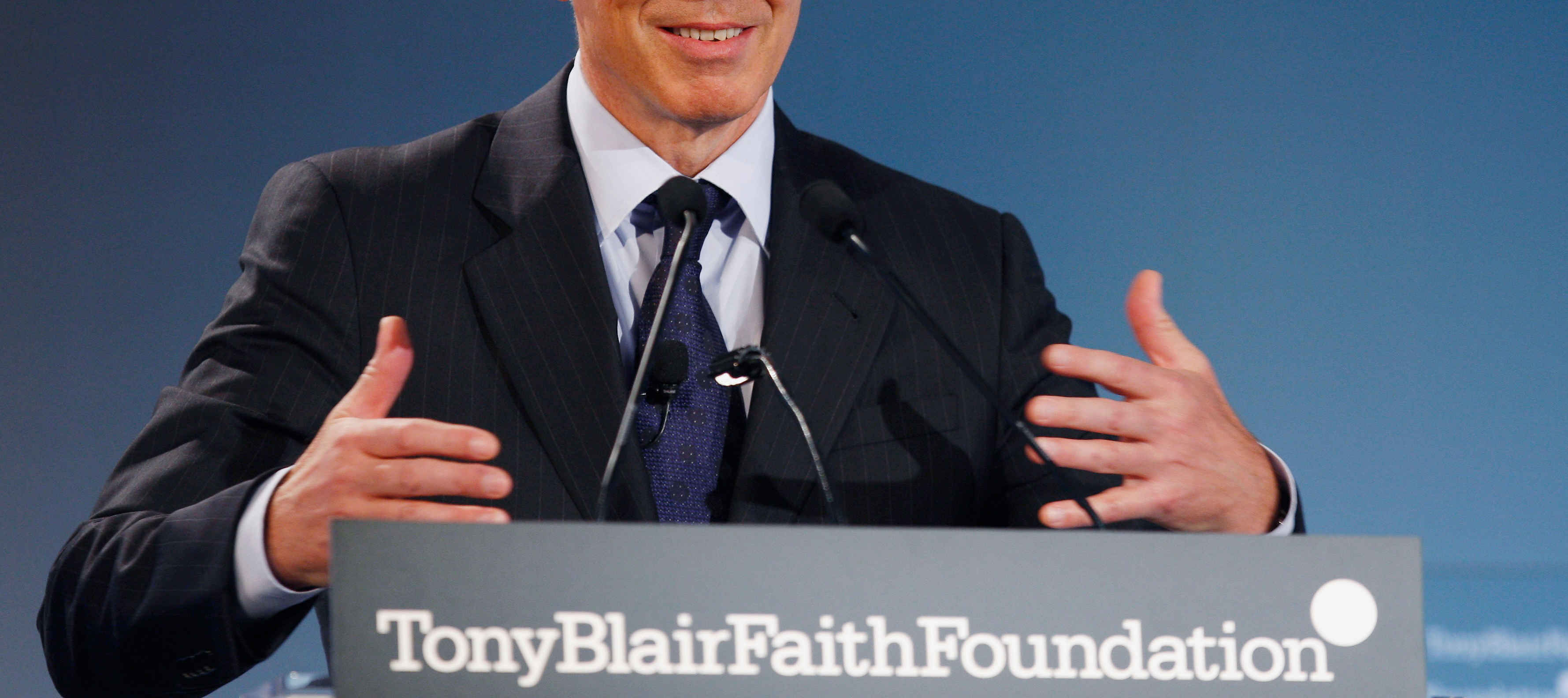
‘The only answer was slaughter, and the only way to do it was fast’; In which others read the autohagiography of Anthony Charles Lynton Blair so I don’t have to

The publication of Blair’s recollections and rationalisations has been a gift to many of us. Not content with the material for satire he provided during office, he has now furnished us with further damning evidence in his own hand. A weighty (non est) mea culpa. Pat psychologising, quasi-religious conviction, the hamfisted use of historical analogy and that overwrought prose (now infamous: “I needed that love Cherie gave me, selfishly. I devoured it to give me strength. I was an animal following my instinct, knowing I would need every ounce of emotional power to cope with what lay ahead“). All of this has enabled some incisive commentary, and some barely contained rage: Tony as Captain Stanhope; Tony as the ‘preacher on a tank’ (Dick Cheney’s apposite barb); Tony as delusional Christ-Pope in waiting.

Three thoughts. First, there is the question of how we can now read Blair, and Iraq as the exemplar of his style of thought. What were the mechanisms that allowed the clear advice of experts of all stripes, and the opposition of most of the population, to be translated into an unbending commitment to the projection of American power? A familiar answer is that the New Labour project was driven by the energies of Blair’s religious (or religious-like) faith, his commitment and earnestness and belief. But the scene set by A Journey and its deconstructions is far more prosaic. On the one hand, there is plenty of garden-variety ‘misperception’. Actors chose the analogies that fit their pre-established understandings, over-emphasised the pressures for action in their calculations, and failed in their responsibility to examine situations from more than one angle. These are the kind of slippages that pop up enough for some systems- and cognitively-minded scholars to trace their role in wars across the ages.

On the other hand, there is Blair’s extraordinary decisionism. Something must be done, and someone must do it. But this is in some ways the reverse of a faith-based politics. It was not belief that guided Blair, and certainly not carefully delineated actions set out by dogma or doctrine. It was the absence of such a schema which mattered, at least on his own account. “The pieces are in flux”. Hence the insistence on leadership, on grasping the truth and necessity of the moment. What continues to intrigue is this movement between an over-abundance of values and the hardened core of Machiavellianism. The necessity was never one dictated by the ends of justice, but only that of power and its demands.

Yes, ideology was at play. But structurally so. Not in the bible readings and personal psycho-dramas of two little rich boys from New Haven and Edinburgh, but in a much less appreciated, and much more insidious sense. A subjectivity with a sociology. There is something typically Žižekian about this apparent paradox. As with others nominally committed to grand projects, the issue is not one of hypocrisy, so much as of the means by which raw power and purity of purpose can be experienced as synonymous:

the figure of the ‘big Other’ as a background against which [to] exert… ruthlessness and drive for power. They had displaced their belief onto this Other, which, as it were, believed on their behalf. Continue reading