If there is one especially lazy characterization among the many about Scotland’s independence referendum, it is the description of the Yes movement as motivated by ‘atavistic ethnic tribalism’ or the like. Toss a pebble at the UK commentariat and you will come across it soon enough: from the Guardian to the Financial Times, the argument is the same. Britain is the outward-looking future, an independent Scotland a reversion to the barbaric past.
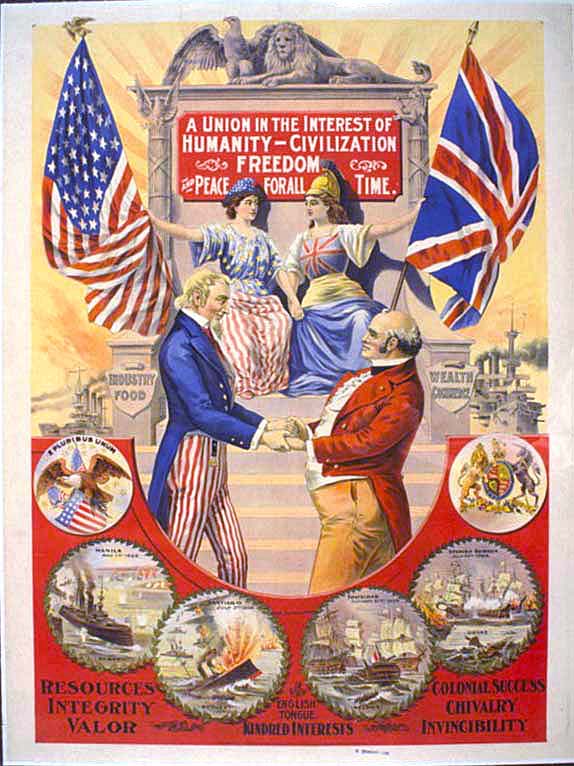
Taken literally, the idea of reverting to a period before Scot and Englishman jointly exported the apparatus of colonial power and racial supremacy they forged in Ireland to the rest of the world does not seem at all regressive. One can scarcely imagine an Indian or Ghanaian, for example, objecting to the move on these grounds. In the same breath as condemning the Yes campaign’s alleged ethnic tribalism, Unionist commentators give as their prime reason for retaining the UK its 300 years of success. Of what, in large part, does that success consist? Why, expanding into other territories and enforcing a hierarchy by which the indigenous inhabitants were plundered of their resources and denied self-government on the grounds of their alleged genetic or cultural inferiority. A textbook case of ethnic nationalism, you might say. One might think that someone celebrating centuries of such behaviour would baulk at condemning the ‘tribalism’ of others.
There is no insincerity in such condemnations. We can have no doubt that when Sir Jeremy Greenstock says of the referendum:
in this complex, unpredictable and sometimes threatening environment, the instinct to return to the tribe is understandable. Yet it is creating momentum for global chaos.
he believes it. So profound a substratum is British nationalism that men such as these, its prime beneficiaries, cannot see that their tribe – easily identified by its common modes of dress, speech and rituals of adolescent sequestration – dominate all the institutions of the British state and therefore articulate their interests as universal. Were a Kenyan of Gikuyu heritage, or a Syrian of the Alawite faith to do the same, we can imagine what would be made of her.



 The Disorder Of Things